Hill's Science Plan Small & Mini Breed Adult Dog Food with Lamb & Rice is a complete pet food, specially formulated with ActivBiome+ Multi-Benefit Technology.
Tailored nutrition for the unique needs of small dogs during the prime of their life.
Hill's Science Plan Puppy Small & Mini Breed Dog Food with Chicken is a complete pet food, specially formulated with ActivBiome+ Multi-Benefit Technology.
100% balanced nutrition to support optimal growth & the immune system.
Hill's Science Plan Perfect Weight Adult Dog Food with Chicken & Vegetables ia a complete premium dog food for dogs prone to weight gain or who are slightly overweight. This savoury tinned loaf is enriched with ingredients that support healthy weight maintenance & long-lasting weight support.
Tender chunks in gravy for cats, with high-quality protein to maintain lean muscle. With vitamin E and omega-3s & -6s for healthy skin and balanced minerals to support healthy vital organs.
Hill's Science Plan Adult Cat Food with Chicken is a complete pet food, specially formulated with ActivBiome+ Multi-Benefit Technology.
This food is specially formulated to fuel the energy needs of cats during the prime of their life.
Hill's Science Plan Adult Cat Food with Lamb & Rice is a complete pet food, specially formulated with ActivBiome+ Multi-Benefit Technology.
This food is specially formulated to fuel the energy needs of cats during the prime of their life.
In people, the right diet is very important. If you are eating the wrong way for your metabolism, activity level, age and lifestyle you could end up with health issues.
To make a protein, amino acids are linked together in a long chain. The chain is then bundled into to a three-dimensional structure, like a tangled ball of yarn.
Show some love with wet foods: a great choice for pets with health issues.
Chronic kidney disease (CKD) is defined as any abnormality of one or both kidneys that has been present for several months. CKD affects about 1 in every 10 dogs [1].
There are two main categories of kidney disease in dogs: acute and chronic. Signs of acute kidney disease usually manifest over a week or month’s time, while chronic kidney disease is defined as kidney damage that has been present for at least three months. Common causes of kidney disease & its progression include:
Signs of serious illness only appear after 75% of kidney function is already lost[1], so the sooner kidney disease is diagnosed, the more time there is to address the underlying cause or slow the disease’s progression. CKD is progressive and irreversible, but your veterinarian can help provide long-term care and show you how to track signs in older dogs.
The signs of early-stage kidney disease are not visible. On diagnosis, CKD has already been present for some time but may be managed with the help of vet-approved dog food for kidney disease. Signs of late-stage kidney disease tend to be similar but are far more noticeable to pet parents.
If your dog has kidney problems, the right nutrition may be able to make a positive impact on their quality of life and potentially even lengthen their lifespan. Specially formulated nutrition for dogs with kidney disease can be beneficial by having less protein and phosphorous than other pet foods. Phosphorus restriction can lessen the severity of the symptoms and progression of kidney damage, while controlled, high-quality proteins can help reduce waste products that can be harmful to their kidneys.
New evidence supports a link between gut health and kidney health [2]. Nutrition that is formulated with ingredients shown to nourish the gut microbiome can help reduce waste products that can be harmful to their kidneys.
While it has gained some popularity online, yeast is relatively high in phosphorus, which could be a concern for dogs with CKD. Similarly, many websites now propose creating a raw diet for dogs with kidney disease but fail to mention the range of factors to consider, such as contamination risks, providing the right balance of nutrients, and the overall cost. When looking into nutritional options for dogs with kidney disease, it’s always best to get a specific recommendation from your veterinarian.
If your dog has kidney problems, the right nutrition may be able to make a positive impact on their quality of life and potentially even lengthen their lifespan. Specially formulated nutrition for dogs with kidney disease can be beneficial by having less protein and phosphorous than other pet foods. Phosphorus restriction can lessen the severity of the symptoms and progression of kidney damage, while controlled, high-quality proteins can help reduce waste products that can be harmful to their kidneys.
New evidence supports a link between gut health and kidney health [2]. Nutrition that is formulated with ingredients shown to nourish the gut microbiome can help reduce waste products that can be harmful to their kidneys.
While it has gained some popularity online, yeast is relatively high in phosphorus, which could be a concern for dogs with CKD. Similarly, many websites now propose creating a raw diet for dogs with kidney disease but fail to mention the range of factors to consider, such as contamination risks, providing the right balance of nutrients, and the overall cost. When looking into nutritional options for dogs with kidney disease, it’s always best to get a specific recommendation from your veterinarian.
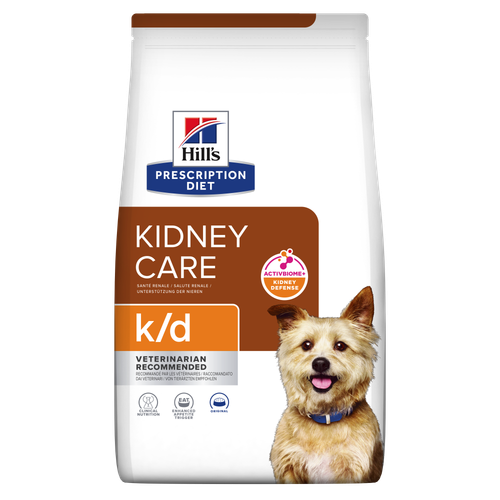
Delicious clinically proven nutrition that supports longer and better quality of life
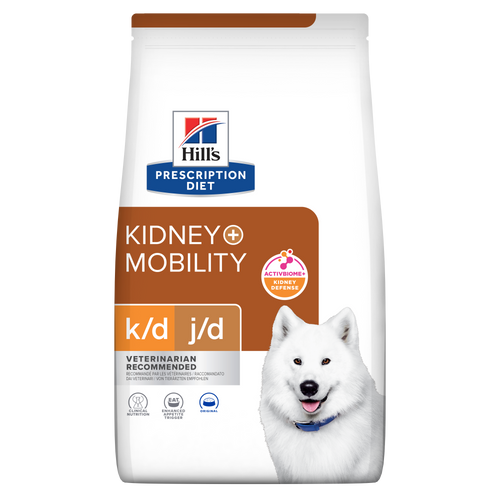
Delicious clinical nutrition to support mobility and longer and better quality of life in dogs
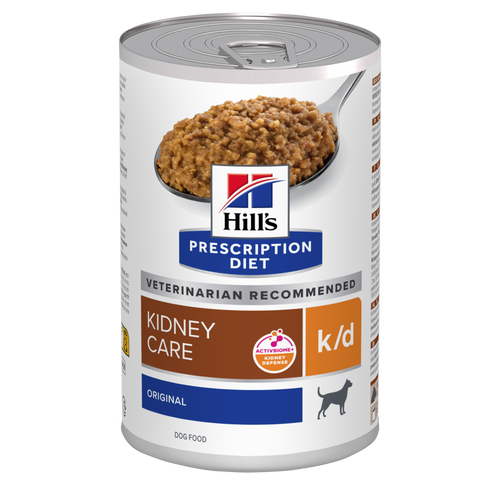
Nutrition clinically shown to help sustain vital kidney function & healthy body condition
Learn the details about blood in your dog's urine, if it's a serious condition, the common urinary causes and how your veterinarian might treat it.
Learn about the warning signs, symptoms, and treatments of pet food allergies and food intolerance in dogs and the affect on your pet.
Avoiding joint problem flare-ups can be as easy as A-B-C!
Learn about the top digestive & gastrointestinal problems in dogs, such as diarrhoea & malabsorption, and find out how you can help your pet feel better.
References: 1Lulich JP, Osborne CA, O’Brien TD, Polzin DJ. Feline renal failure: questions, answers, questions. Compend Contin Educ Pract Vet. 1992;14(2):127–153. Brown SA. Renal dysfunction in small animals. The Merck Veterinary Manual website.